When to Call for Mold Remediation in Gettysburg Homes
Understanding Mold Problems in Adams County
Mold is a persistent issue in many homes throughout Gettysburg and the surrounding Adams County area. The region's humid summers and cold, damp winters create conditions that allow mold spores to settle and grow indoors. While a small patch of mildew in a bathroom might be a minor nuisance, larger infestations can damage building materials and affect indoor air quality. Knowing when to handle the problem yourself and when to seek help is key to protecting your home and health.
Many homeowners first notice mold as a musty smell or dark spots on walls, ceilings, or in basements. These signs often point to an underlying moisture problem, whether from a leaky pipe, poor ventilation, or groundwater seepage. Addressing the moisture source is always the first step, but simply cleaning visible mold without fixing the cause usually leads to a quick return. For small, surface-level mold on non-porous materials, a careful scrub with detergent and water may be enough. But once mold penetrates drywall, wood, or insulation, or covers an area larger than a few square feet, the situation calls for a more thorough approach.
What Professional Mold Remediation Involves
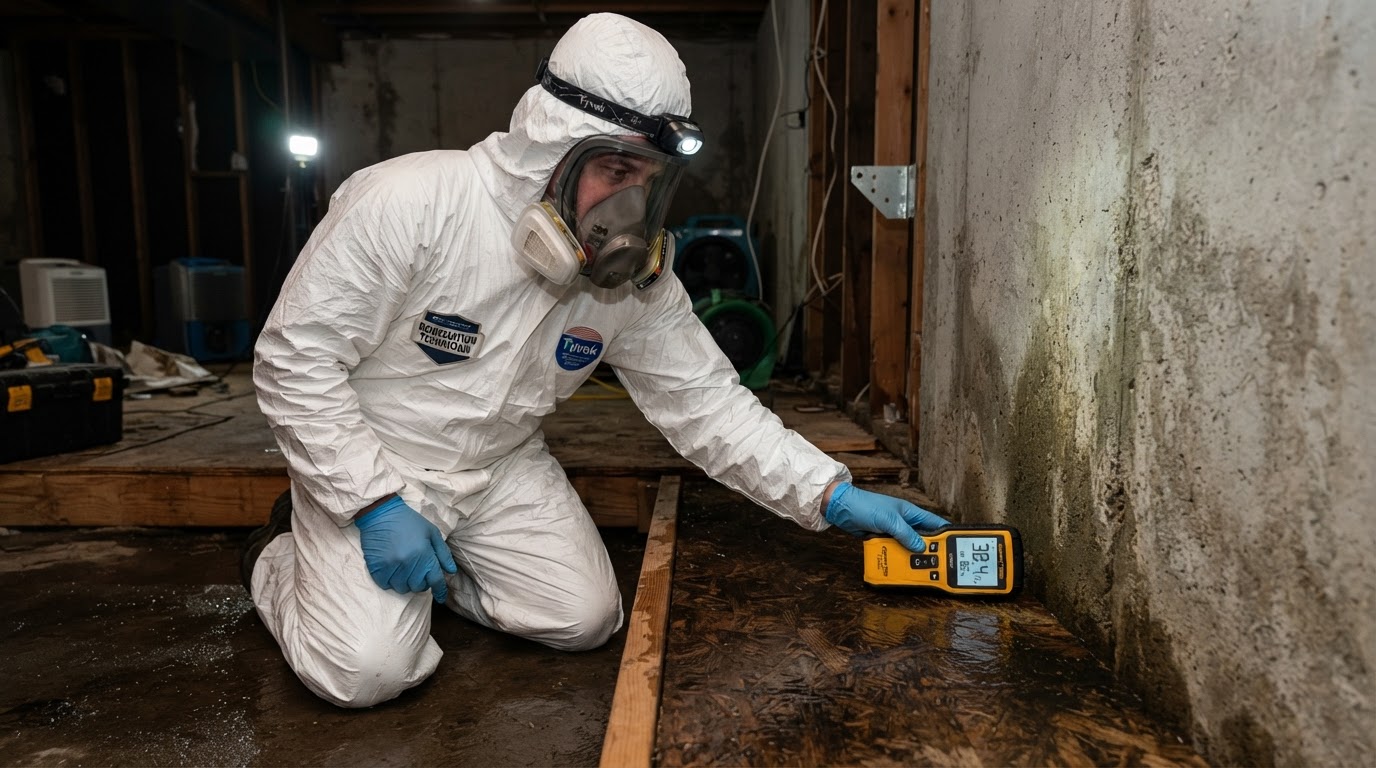
When mold spreads behind walls or into HVAC systems, a deeper intervention is needed. Professional mold remediation follows a structured process designed to remove the mold and prevent it from coming back. The first step is a thorough inspection to identify all affected areas and the moisture source. Technicians use moisture meters and sometimes borescopes to check inside walls and under floors without causing unnecessary damage. They also assess the extent of contamination to determine the best containment strategy.
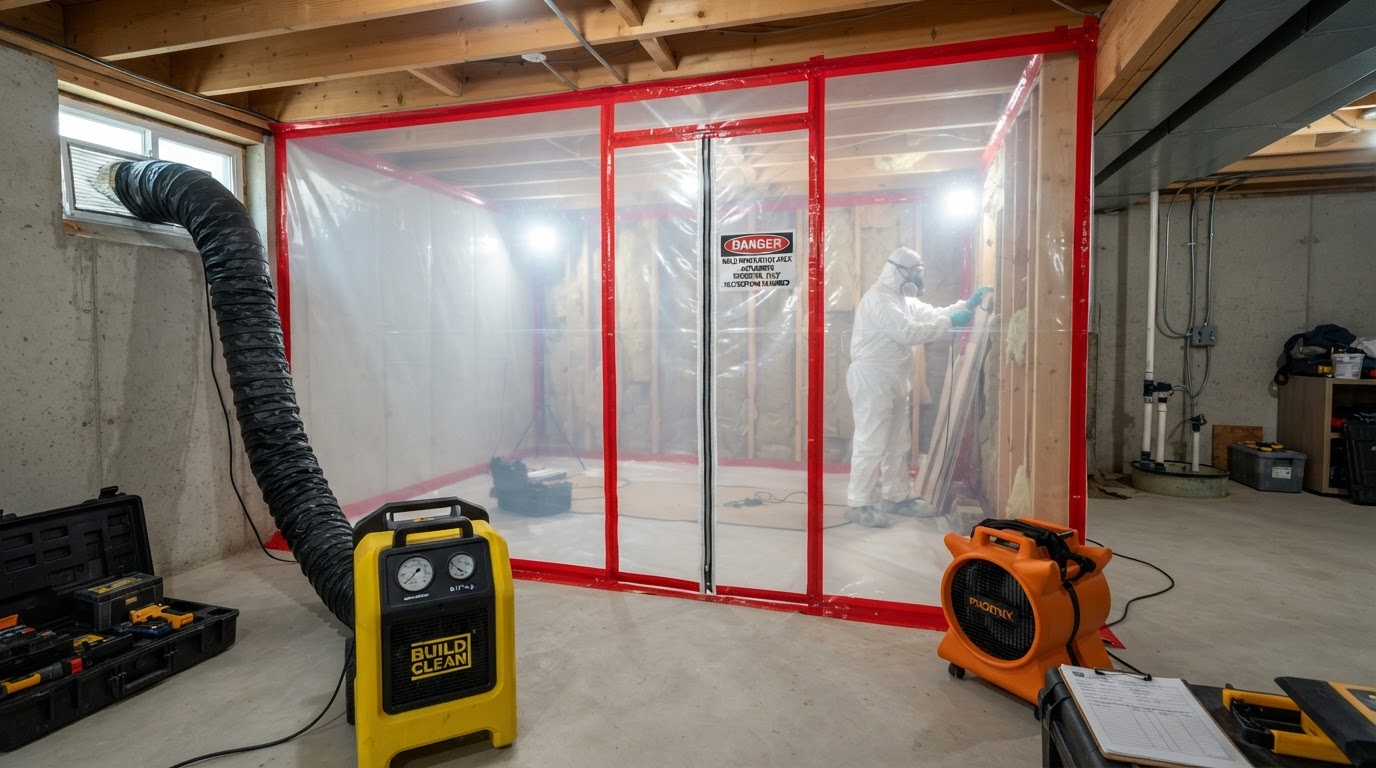
During the actual remediation, containment is critical. Workers seal off the work area with plastic sheeting and create negative air pressure with HEPA-filtered air scrubbers. This prevents mold spores from drifting into clean parts of the house. Then they remove and discard porous materials like drywall, carpet, and insulation that cannot be fully cleaned. Non-porous surfaces are scrubbed with antimicrobial solutions and HEPA vacuumed. After the physical removal, the area is dried completely and a final clearance test may be performed to confirm spore levels are back to normal.
One of the main reasons homeowners choose professional mold removal is safety. Disturbing large colonies of mold without proper protection can release a cloud of spores into the air. This can aggravate allergies, asthma, or other respiratory conditions. Professionals wear respirators, gloves, and protective suits, and they use specialized equipment that most people do not have access to. They also know how to handle more toxic varieties, such as black mold removal, which requires extra care due to the potential health risks.
Cost Estimation and Hiring Considerations
Cost estimation for mold remediation varies widely based on several factors. The size of the affected area, the type of materials involved, and the extent of the moisture problem all play a role. A small area behind a sink might be relatively straightforward, while mold in a crawl space or attic can be more complex. The process of containment and disposal adds to the cost, especially if large sections of drywall or flooring need to be removed. Most companies offer free estimates after an on-site inspection, and it is wise to get quotes from more than one provider to compare approaches and pricing.
When hiring professionals, look for a company that follows industry standards, such as those from the Institute of Inspection, Cleaning and Restoration Certification (IICRC) or the American Council for Accredited Certification (ACAC). Ask about their experience with moisture control and building drying after remediation. A good contractor will not just remove the mold; they will also help identify and fix the source of moisture to prevent recurrence. This might involve recommendations for improved ventilation, dehumidifiers, or repairs to gutters and downspouts that direct water away from the foundation.
For homeowners in Gettysburg and Adams County, local service options include companies that specialize in both mold remediation and broader water damage restoration. Choosing a local firm can be advantageous because they understand the area's typical construction methods and common moisture problems. They can also respond quickly, which matters because mold growth can accelerate rapidly after a leak or flood. Asking neighbors or local real estate agents for referrals can provide leads on trustworthy contractors.
An important part of the hiring process is verifying insurance and licensing. Reputable mold remediation companies carry liability insurance and workers' compensation. They should also be willing to provide a written scope of work before starting, detailing what will be done, what materials will be used, and the expected timeline. Clear communication upfront helps avoid misunderstandings later.
Moisture Control as a Long-Term Strategy
No amount of remediation will keep mold away if the underlying moisture problem is not solved. Moisture control is the real key to a mold-free home. Simple steps include fixing leaks promptly, using exhaust fans in bathrooms and kitchens, and keeping indoor humidity below 50% with a dehumidifier. In basements, a sump pump and proper grading around the foundation can prevent water from seeping in. Regularly checking attics for roof leaks and ensuring that vents are not blocked also helps.
For homes with a history of mold, a more comprehensive approach may be needed. This can involve installing a vapor barrier in a crawl space, improving drainage around the property, or adding insulation to prevent condensation on cold surfaces. Some homeowners choose to replace drywall with mold-resistant materials during a renovation. While these measures require an upfront investment, they reduce the likelihood of future mold problems and the need for repeated remediation.
The decision to call in a professional often depends on the scale of the problem and the homeowner's comfort level with the work involved. For small, surface mold that is easily cleaned, a DIY approach can be sufficient. But when mold has penetrated building materials, or when there are health concerns, professional mold removal is a sensible step. The expertise and equipment that professionals bring can save time, reduce risk, and provide greater peace of mind.
In Adams County, where older homes are common, the combination of historic construction and variable weather can create unique challenges. Homeowners should not hesitate to seek advice from local professionals who understand these conditions. A thorough inspection can reveal hidden mold and moisture issues that might otherwise go unnoticed. Addressing them early can prevent more extensive damage and more expensive repairs down the road.
Ultimately, the goal is not just to remove mold but to create an environment where it cannot thrive. This means staying vigilant about moisture, fixing problems as they arise, and knowing when to bring in the right expertise. With the right approach, a home can remain safe, comfortable, and free from the problems that mold can cause.